Respect for the child
Children develop at their own pace. Montessori educators recognize their interests, abilities, and developmental needs, rather than expecting every child to learn in the same way at the same moment.
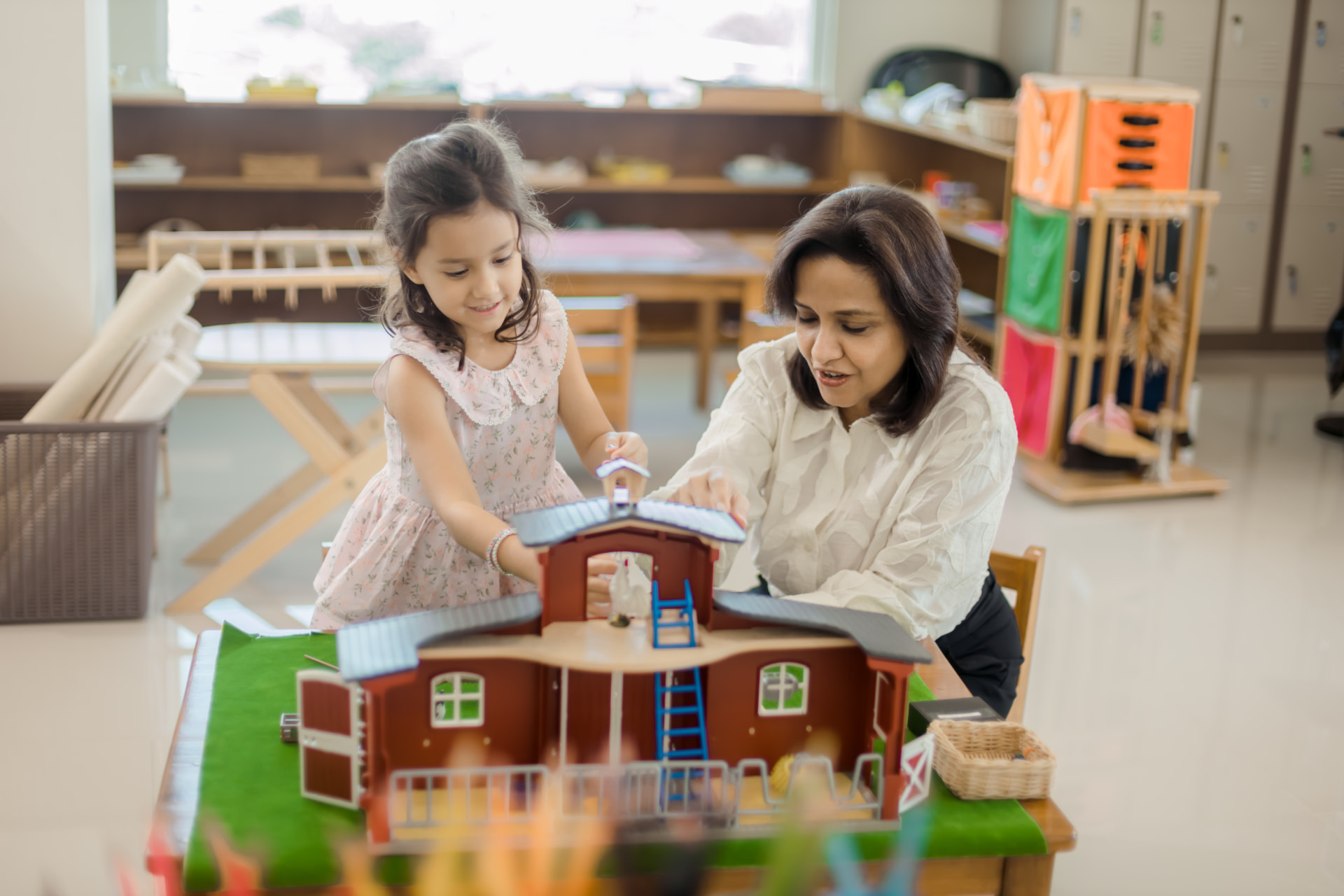
An approach to education that begins with respect for the child, and helps a lifelong love of learning take root.
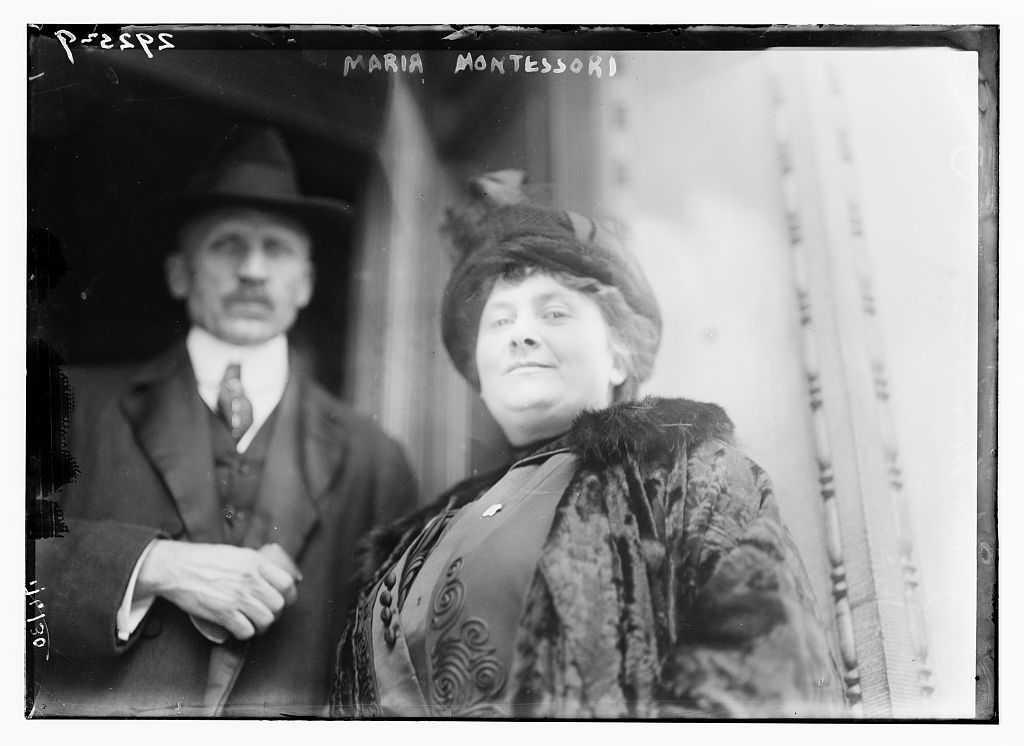
The origins
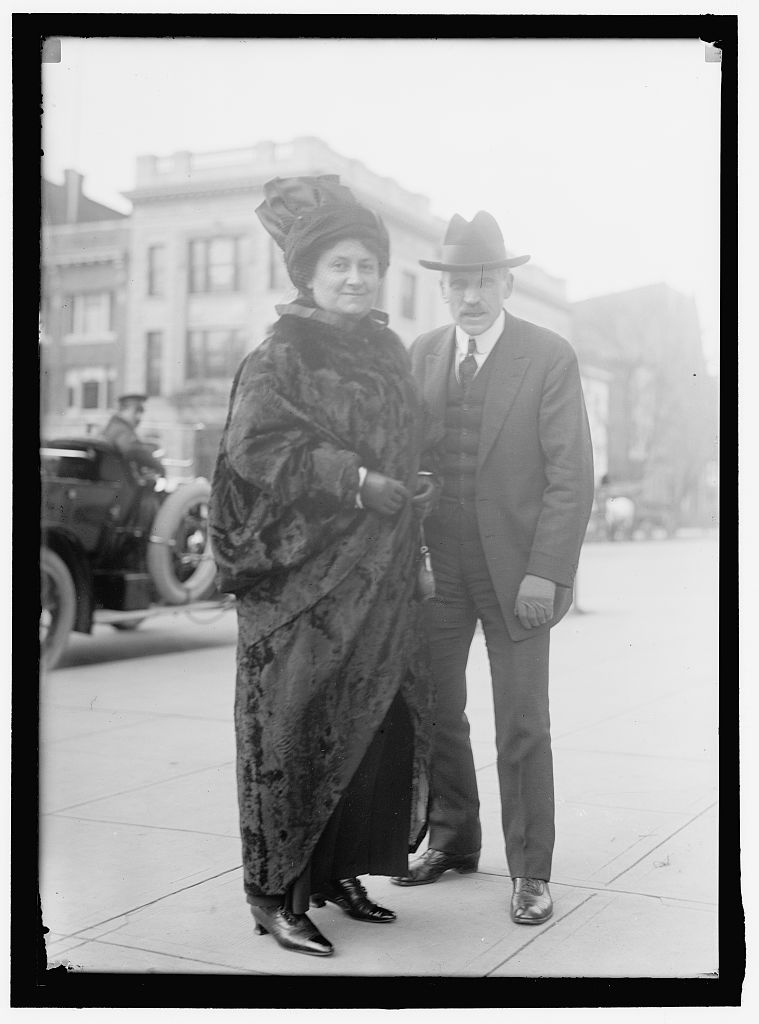
Developed by Dr. Maria Montessori through careful observation of children, Montessori education recognizes that children are active participants in their own learning. They grow through meaningful activity, exploration, and increasing independence.
Rather than relying only on instruction from an adult, children work in a thoughtfully prepared environment with materials that invite discovery. The educator observes, offers guidance, and introduces activities when the child is ready.
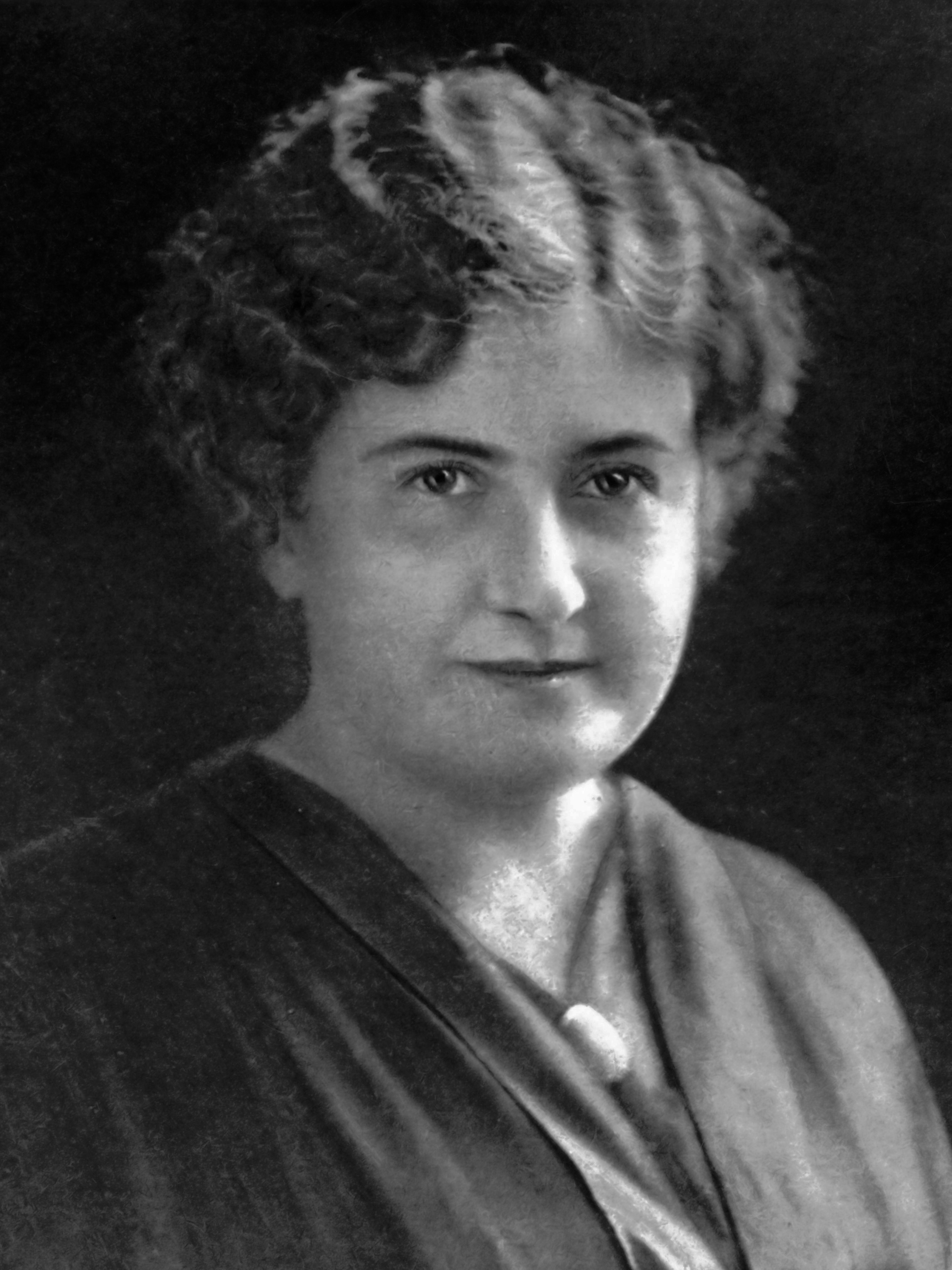
On independence
“Never help a child with a task at which he feels he can succeed.”
At the heart of the approach
Children develop at their own pace. Montessori educators recognize their interests, abilities, and developmental needs, rather than expecting every child to learn in the same way at the same moment.
An orderly, accessible classroom offers purposeful activities and child-sized tools. Children can choose work, care for their surroundings, and practice independence within clear boundaries.
Montessori materials make ideas tangible. By touching, moving, comparing, and exploring, children build understanding through experience before moving toward abstract concepts.
Children make meaningful choices within a respectful community. They learn responsibility, care for others, and how to use their freedom constructively.
The adult observes carefully, presents materials with intention, and knows when to offer help or step back. This supports concentration and a child's confidence in their own abilities.
Learning supports social, emotional, physical, and intellectual growth. Practical life, language, mathematics, the senses, culture, and creativity all play a part.
On the role of the teacher
“The greatest sign of success for a teacher… is to be able to say, ‘The children are now working as if I did not exist.’”
Learning through exploration
Montessori is a hands-on approach. Children explore carefully designed materials under the guidance of a qualified educator, developing skills and understanding through purposeful activity rather than pressure to keep pace with everyone else.
The teacher is often called a guide or directress. They introduce the appropriate use of materials, observe each child's progress, and support increasing independence, confidence, and enjoyment in learning.
At school and at home
Parents can use Montessori principles to support learning at home or as part of homeschooling. Preschools around the world also adopt the approach, preparing environments that nurture children's social, emotional, and academic development.
Learning to be a Montessori educator brings together an understanding of the principles and philosophy, practical experience with the materials, and the ability to apply that knowledge thoughtfully with children.
Further reading
Montessori in practice
Preparing the adult
Becoming a Montessori educator means understanding child development, preparing a supportive environment, and learning to observe with care. Our Early Childhood Teacher Education Program brings these principles into practice for children aged 2.5–6 years.
Explore the Program